by Ashleigh Nikolich | Jun 29, 2026 | Education, Quantity Surveying, Staff
I’m thrilled to announce the promotion of Yvion Lee from Associate to Technical Director, and it is very well deserved.
Over the past ten years, Yvion has been an indispensable member of the Collaborative Cost Management team, consistently demonstrating technical excellence, professional integrity, and an unwavering commitment to quality. She plays a central role in upholding and advancing our Quality Excellence standards, and her meticulous approach and depth of expertise have materially strengthened our technical capability and reputation, elevating everyone around her.
Equally important is Yvion’s contribution to developing our people. She is a natural mentor; patient, generous with her knowledge, and deeply invested in the growth of our junior staff. Her influence is clearly evident in the strength of the next generation coming through our graduate and cadet programs.
This promotion reflects the leadership, dedication, and respect she has earned from peers and clients alike. We are fortunate to have her in our senior leadership team.
Congratulations, Yvion Lee, it’s thoroughly deserved!

by Ashleigh Nikolich | Jun 29, 2026 | Industry News, Quantity Surveying
Queensland Budget 2026–27 – A Record Capital Program Reshaping the State’s Built Environment
The Queensland Government has handed down its 2026–27 Budget, and for those of us in construction, infrastructure and development, the scale of investment is unprecedented. This year’s program is centred on capacity, resilience, population growth and long term economic productivity — and it sets a clear direction for the next decade of work across the state.
Below is a concise summary of the major capital works shaping Queensland’s pipeline.
A Record Capital Program
- $119.241B invested over four years — the largest capital program in Queensland’s history.
- $29.616B in 2026–27 alone, supporting 71,500 jobs.
- 69.3% of capital investment directed outside Greater Brisbane, supporting 48,500 regional jobs.
This is a deliberate shift toward statewide economic resilience and regional capacity building.
Health Infrastructure – Record $4.04B
A historic investment to expand frontline services and deliver the Hospital Rescue Plan, including:
- New and expanded hospitals across growth regions.
- Major upgrades to critical care, emergency and specialist facilities.
- Strengthening rural and regional health infrastructure to improve service access and reduce patient travel.
This is the largest single‑year health capital investment Queensland has ever made.
Transport & Mobility – $11.165B
Transport remains the backbone of the capital program, with investment spanning roads, rail and 2032‑related infrastructure:
- The $9B Bruce Highway Targeted Safety Program.
- Continued delivery of Cross River Rail.
- Major population‑growth projects including:
- The Wave
- Mooloolah River Interchange (Sunshine Coast)
- Faster Rail to the Gold Coast
- Coomera Connector
- Gold Coast Transport Plan
- Significant upgrades across the state’s road network to improve safety, freight efficiency and regional connectivity.
Education Infrastructure – $1.457B
Investment to meet enrolment growth and modern learning requirements:
- New schools in high‑growth corridors.
- Upgrades and expansions to existing schools.
- Continued rollout of the $325M TAFE Centres of Excellence program
Energy & Decarbonisation – Over $5B
State‑owned energy businesses are investing heavily to deliver the Queensland Energy and Jobs Plan, including:
- $420M to progress CopperString.
- $501.1M for the Gladstone Project.
- $1.8B over five years under the Electricity Maintenance Guarantee to maintain generation assets.
This is a major step toward a more reliable, renewable and resilient energy system.
Ports, Water & Resilience
- $164.5M invested by state‑owned ports to support trade and economic growth.
- $276.2M for dam improvement programs (Sunwater, Seqwater, Gladstone Area Water Board).
- $20.7M to progress planning for the Barlil and Cooranga Weirs.
- $1.523B for disaster reconstruction and betterment works through the Queensland Reconstruction Authority.
These investments strengthen water security, flood resilience and long‑term asset reliability.
Housing & Social Infrastructure
To address ongoing housing pressures, the Government has committed:
- $1.024B over five years to expand the Housing Investment Pipeline.
- A record $5.725B four‑year capital program for social and community housing.
- Delivery of 53,500 social and community homes by 2044, including youth foyers, domestic violence shelters and remote community housing.
2032 Delivery Plan – $765M
Investment in world‑class venues, precincts, villages and legacy infrastructure to support the 2032 Olympic Games — with a focus on long‑term community benefit and urban renewal.
Safety, Justice & Community Infrastructure
- New and upgraded police facilities.
- Delivery of the Woodford Youth Detention Centre.
- $67.9M Domestic & Family Violence Courthouse Improvements Program.
- $2.387B for additional adult prison capacity.
What this means for Queensland’s built environment
The 2026–27 Budget sets the stage for one of the most significant infrastructure delivery periods in Queensland’s history. For builders, consultants, engineers and developers, this means:
- A sustained, multi‑sector pipeline across health, transport, energy, housing and justice.
- Strong regional demand and workforce mobilisation.
- Increased pressure on supply chains, capability and delivery certainty.
- A premium on organisations that can scale, collaborate and innovate.
- Commencement of the infrastructure spend on Games Venues and associated infrastructure
- Increased pressure on construction resources as the projects move in to construction phase
CCM LinkedIn Post
by Ashleigh Nikolich | Jun 29, 2026 | Industry News, Quantity Surveying
The government positions this as the most ambitious tax and savings reform package in decades, aiming to rebalance the system toward workers while tightening concessions for property investors.
Five Budget Themes
- Major Tax Reform
- $250 tax offset for 13m workers
- CGT discount replaced with indexation + 30% minimum tax
- Negative gearing restricted to new builds
- 30% minimum tax on discretionary trusts CCM: These changes risk reducing rental supply and increasing rents by up to 30% over 3 years
- Record Savings Package
- $63.8B gross savings
- Real spending growth capped at 1.5%
- $37.8B NDIS sustainability reforms CCM: Savings are gross, not net; long‑term debt still rises. Vulnerable groups risk being left behind
- Cost‑of‑Living Relief
- $250 offset
- Cheaper medicines
- Fuel excise relief CCM: Relief is modest and largely offsets inflation rather than improving affordability
- Housing Affordability & Supply
- 65,000 homes unlocked via enabling infrastructure
- Tax settings favour new supply CCM: 65,000 homes over 10 years is insufficient; delivery impact won’t be felt for 4–5 years
- Resilience in a Volatile World
- $14.8B fuel resilience
- Gas reservation
- Critical minerals support
Productivity & Freight Efficiency
“Freight and commuter bottlenecks are a hard cap on non‑inflationary growth.”
Key Investments
- $1.75B freight rail upgrades + ARTC $2.8B
- Inland Rail reset (Melbourne–Parkes by 2027)
- $812.5M Bruce Highway Stage 2 (QLD)
- $552M Anketell Road (WA)
- $50M Sydney–Canberra rail + business case
Property Market Impacts
- Industrial land uplift along freight corridors
- Stronger logistics demand (double‑stack freight Melbourne–Perth)
- SEQ growth strengthened ahead of 2032
- WA export chain efficiency boosts industrial precincts
- Canberra corridor gains long‑term strategic value
CCM Commentary
- Inland Rail reset improves fiscal discipline but reduces long‑term national freight capacity.
- Rail transport remains critical; partial cancellation weakens future supply chain resilience.
Defence Infrastructure — A Structural Growth Sector
Key Investments
- $53B increase over 10 years
- $12B Henderson shipyard (WA)
- $6.8B National Defence Strategy & IIP
Property Impacts
- Industrial land demand in WA, SA, NT, QLD
- Workforce housing pressure in defence regions
- Long‑term precinct development around shipbuilding and sustainment
CCM Commentary
- Defence spending is expected to rise further due to global instability and AUKUS commitments.
Fuel Security & Energy Transition Realism
Key Investments
- $10B fuel security package
- 1B litre government‑owned reserve
- 50‑day minimum stockholding
- $1.1B Cleaner Fuels Program
Property Impacts
- Port‑adjacent industrial land becomes more strategic
- Tank farms, storage, and pipelines drive specialised construction demand
CCM Commentary
- A reactive response to the Middle East conflict highlights Australia’s vulnerability without local refineries.
Housing‑Enabling Infrastructure
Key Investments
- $2B enabling infrastructure to unlock 65,000 homes
- $500M environmental approvals streamlining
- 25% of funding reserved for regional Australia
Property Impacts
- Supports medium‑density and greenfield feasibility
- Reduces holding costs
- Unlocks stalled projects (power, water, sewer, roads, drainage)
CCM Commentary
- $2B over 10 years is modest; impact will take 4–5 years to materialise.
- Does not meaningfully address current supply shortages or workforce constraints.
Local Infrastructure & Active Transport
Key Investments
- $750M Thriving Suburbs & Growing Regions
- $2.9B Financial Assistance Grants (brought forward)
- $500M Active Transport Fund expansion
Property Impacts
- Supports density and mixed‑use precincts
- Enhances walkability and liveability
- Accelerates council‑led infrastructure delivery
CCM Commentary
- Positive for urban design, cycling infrastructure, and public realm specialists.
- Councils gain earlier cashflow, improving project sequencing.
Roads & Skills
Key Investments
- $8.87B road investment (2026–27)
- $954M Roads to Recovery
- $250M Safer Local Roads
- $325M TAFE Centres of Excellence
Property Impacts
- Supports regional growth corridors
- Reduces congestion for new communities
- Skills shortages remain a binding constraint
CCM Commentary
- Labour scarcity will continue to drive escalation and delivery delays.
Market Outlook for Property Professionals
Industrial & Logistics
- Strongest beneficiary
- Freight, defence, fuel security = multi‑cycle demand
- Yields likely to tighten in strategic corridors
Residential
- Feasibility improves where enabling infrastructure is funded
- Tax reform pushes investors toward new builds
- Regional markets strengthened
Commercial
- Indirect uplift via transport and workforce access
- Defence precincts create niche demand
Regional Markets
- WA, QLD, SA, NT major winners
- Freight and defence corridors drive decentralisation
Risks & Watchpoints
- Labour scarcity (high)
- Cost escalation (high)
- Procurement congestion (medium)
- Political durability (medium)
- Utilities sequencing (high)
- Supply chain volatility (medium)
Strategic Takeaways
- Industrial is the standout asset class
- Housing feasibility improves where infrastructure is funded
- Regional markets gain structural tailwinds
- Developers should reassess staging
- Construction cost pressures will persist
- Precinct‑based planning will outperform
CCM LinkedIn Post
by Ashleigh Nikolich | May 11, 2026 | Industry News, Quantity Surveying
This Budget acknowledges the real challenges that Victorians are facing.
- Making healthcare easier to get by opening a new community hospital and supporting services at 3 others, and providing young families with better paediatric and maternity services.
- Investing in our kids’ future by continuing to fund kinder and building schools for a great education closer to home.
- Keeping communities safe with increased resources for Victoria Police and more PSOs, delivering serious consequences for violent crime, and boosting the Violence Reduction Unit to stop crime before it starts.
This Budget confirms a budget surplus of more than $700 million for 2025-26 and maintains operating surpluses over the forward estimates.
In the last 6 years, business investment is up 44%, with 123,000 new businesses opening in Victoria and more than 646,000 jobs created. Amid global economic challenges and unrest, the Victorian economy will continue to grow. That growth will be supported by the rapid rise of cutting-edge technologies creating new solutions to old ways of working.
This Budget continues to build for the future, with $4.4 billion total estimated investment (TEI) added to the Government’s infrastructure program.
Government Infrastructure Investment (GII) is projected to be $21.4 billion in 2025-26 before averaging $16.5 billion over the budget and forward estimates.
Property
This Budget also extends concessions for buying off-the-plan, which saves home buyers money and supports housing supply.
This Budget also invests $97 million to continue delivering housing reform and improving confidence in the building industry. This includes $16 million to protect consumers and raise standards in the building industry through the implementation of registration and licensing requirements.
Public Transport
- $318 million for maintenance and safety upgrades that will help the regional passenger rail network run more reliably
- $92 million to improve train services, including running up to nine daily services on the Shepparton Line, increasing capacity on the Wyndham Vale Line with larger trains, and uplift services along the six lines that run through Clifton Hill and Burnley
- $76 million to take the next steps towards electrification of the Melton Line
- $7.5 million to make the public transport network, cycling facilities and walking paths safer and more accessible.
Healthcare
This Budget also invests $284 million to open and operate hospitals – making it easier to get free public healthcare in your community – as well as supporting and expanding emergency departments. This includes:
- $95 million for Werribee Mercy Hospital emergency department expansion
- $45 million to open expanded acute care capacity at Angliss Hospital
- $35 million to uplift Cranbourne Community Hospital
- $34 million to uplift Craigieburn Community Hospital
- $20 million to uplift University Hospital Geelong paediatric emergency department
- $19 million to open Pakenham Community Hospital
- $7.1 million to operate the new PET scanner at Goulburn Valley Health
- $2.8 million for services at Mernda Community Hospital, building on the recent $25 million investment to open it
- $2 million to support early transition work at the New Melton Hospital.
Regional Health
- $75 million for the Regional Health Infrastructure Fund, for projects ranging from operating theatre refurbishments to equipment upgrades
- $35 million for new and upgraded medical equipment in operating theatres, emergency departments, surgical wards, intensive care units and neonatal and maternity services across our public hospitals
- $20 million to continue upgrading and replacing engineering infrastructure at hospitals across Victoria
- $15 million to upgrade equipment and renew, reconfigure and refurbish metropolitan health services’ infrastructure.
Aged Care
- $36 million to sustain public sector residential aged care services
- $17 million to deliver hospital care at residential aged care facilities, allowing older Victorians to be cared for in their own home and reducing annual hospital presentations by almost 30,000
- $15 million to support changes requiring nurses to administer medication in non-government aged care, delivering higher-quality care
- $7.5 million to upgrade Victoria’s public sector residential aged care facilities
- $5.1 million to continue reducing delays in hospital discharge for older patients without decision-making capacity.
Mental Health
- $30 million for new and existing mental health Hospital in the Home beds to enable more people to access home-based acute inpatient mental health care
- $6.5 million for the prevention of suicide initiatives
- $5.4 million to continue the Youth Outreach and Recovery Service, Victoria’s dedicated statewide outreach service for young people with complex mental health challenges
- $4.9 million to support Mental Health and Wellbeing Locals and Hubs so they can keep delivering free care for anyone who needs it.
Education
- $552 million for school building maintenance and compliance, delivering high-quality spaces for learning, including to make school buildings more accessible for students and staff with disabilities
- $295 million to upgrade 31 schools across Victoria, including upgrades to visual and performing arts spaces, sports facilities and learning spaces
- $217 million for modular classrooms to provide flexible spaces for learning at schools where they’re needed including at Broadford Secondary College
- $104 million to acquire land for new schools and new campuses, including in Cardinia, Greater Geelong, Melbourne, Hume, Mitchell and Wyndham
- $25 million for minor works such as upgrading bathrooms and fixing roofs
- $22 million to begin planning for future new schools.
- $95 million to upgrade nine schools across Regional Victoria.
Police / Correction Centres and Court Services
- $229 million to increase capacity in the corrections system, including youth justice, ensuring we have the facilities to hold offenders accountable and keep the community safe
- $125 million for 40 new forensic mental health beds at Thomas Embling Hospital
- $117 million for a specialised, fast-tracked youth court list in the County Court, meaning alleged youth crime matters will be heard faster
- $11 million for maintenance, repair and renewal works of courts across the state
CFA
- $26 million to build new Country Fire Authority (CFA) stations at Charlton and Woodvale, in Central Victoria, Mirboo North, in South Gippsland, and Kingston, in the Central Highlands.
Sports & Cultural
- $29 million to continue the delivery of the Melbourne Arts Precinct Transformation project, including Arts Centre Melbourne and the National Gallery of Victoria
- $27 million to attract new international productions, digital games and visual effects through the new Victorian Screen Incentive stream of the Victorian Investment Fund
- $23 million to continue to attract business events to Melbourne and regional Victoria, including attracting events to the new Nyaal Banyul Geelong Convention and Event Centre
- $12 million for Hamer Hall upgrades to support our outstanding music events
- $92 million to the State Sport Centres Trust and the Kardinia Park Stadium Trust to continue community access to sporting facilities, including the Melbourne Sports and Aquatic Centre
- $13 million to operationalise the Nyaal Banyul Geelong Convention and Event Centre and for the Victorian Convention and Exhibition Trust
Victorian Budget 2026-27
by Ashleigh Nikolich | Apr 29, 2026 | Education, Quantity Surveying, Staff
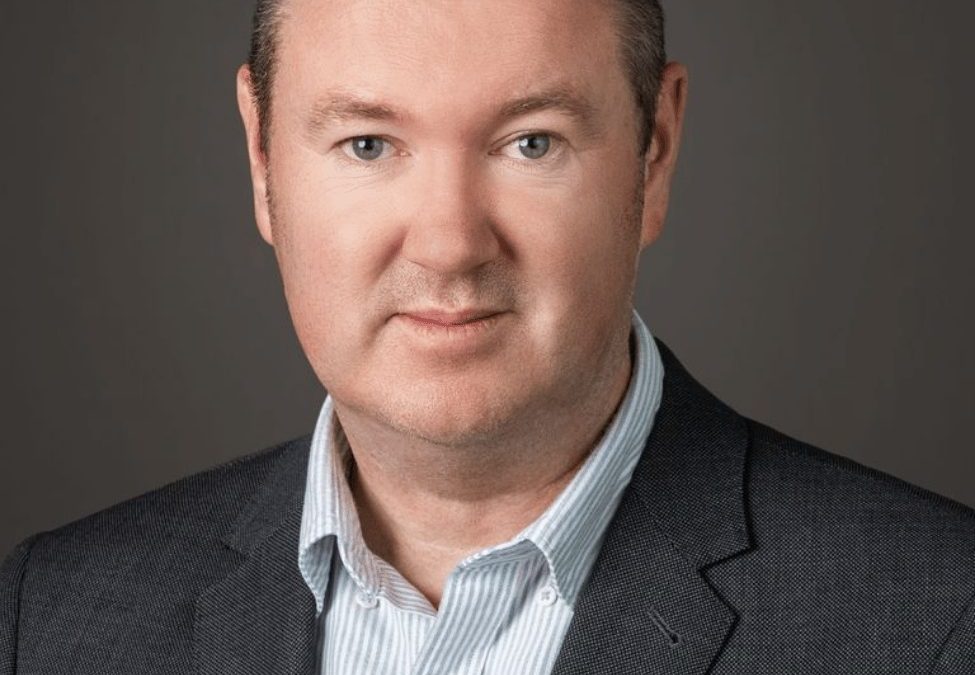
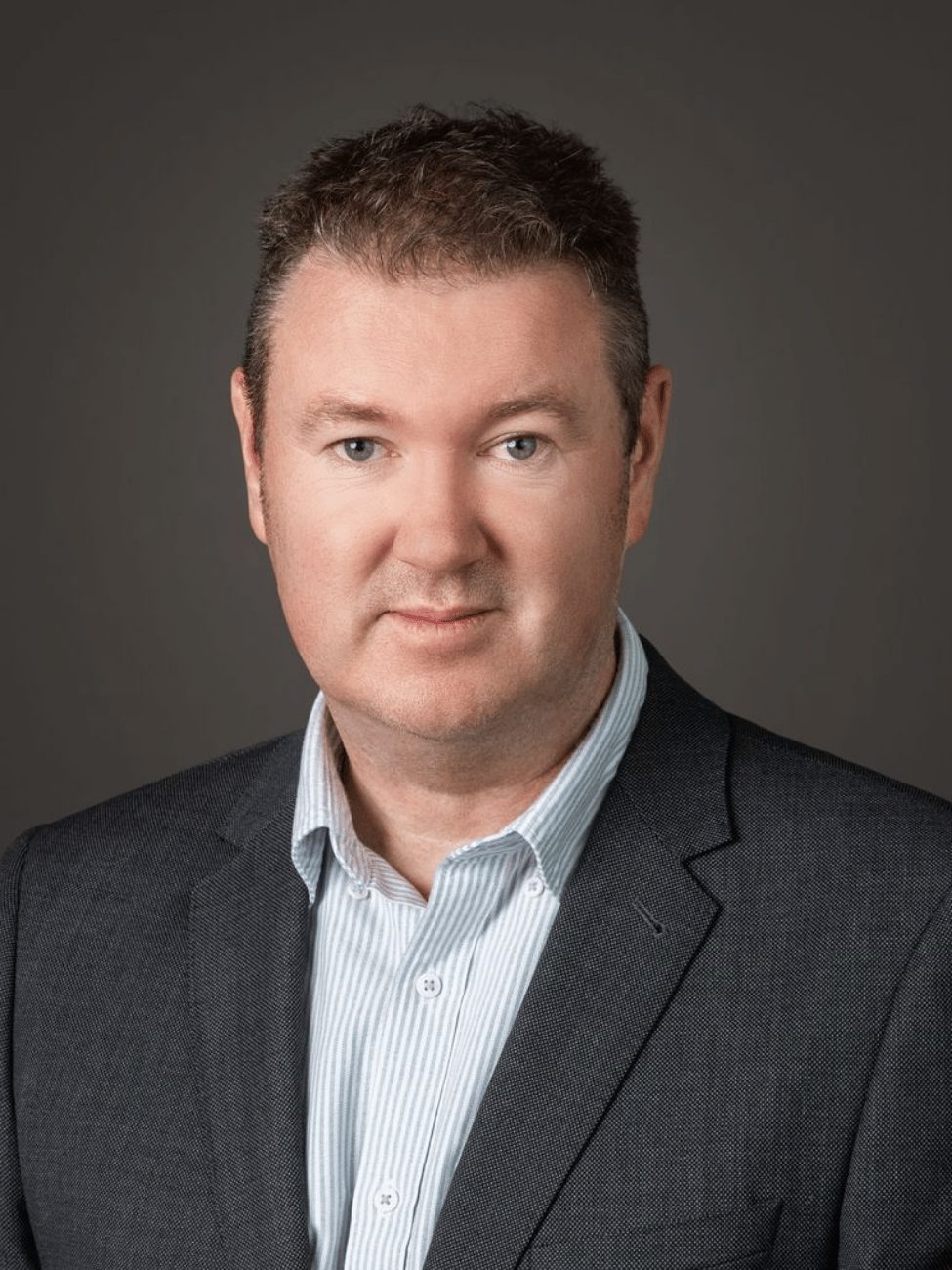
Collaborative Cost Management are pleased to welcome Tom Ryan to the Melbourne office!
Tom brings 20+ years of cost management experience to the table, his expertise includes feasibility studies, cost planning, bill of quantities, documentation preparation and contract administration. His sector experience includes government, commercial, infrastructure, healthcare, education and residential.
Bachelor of Construction Management (Honours) | Certified Quantity Surveyor | Fellow of the Australian Institute of Quantity Surveyors
Welcome Tom
by Ashleigh Nikolich | Feb 17, 2026 | Education, Quantity Surveying
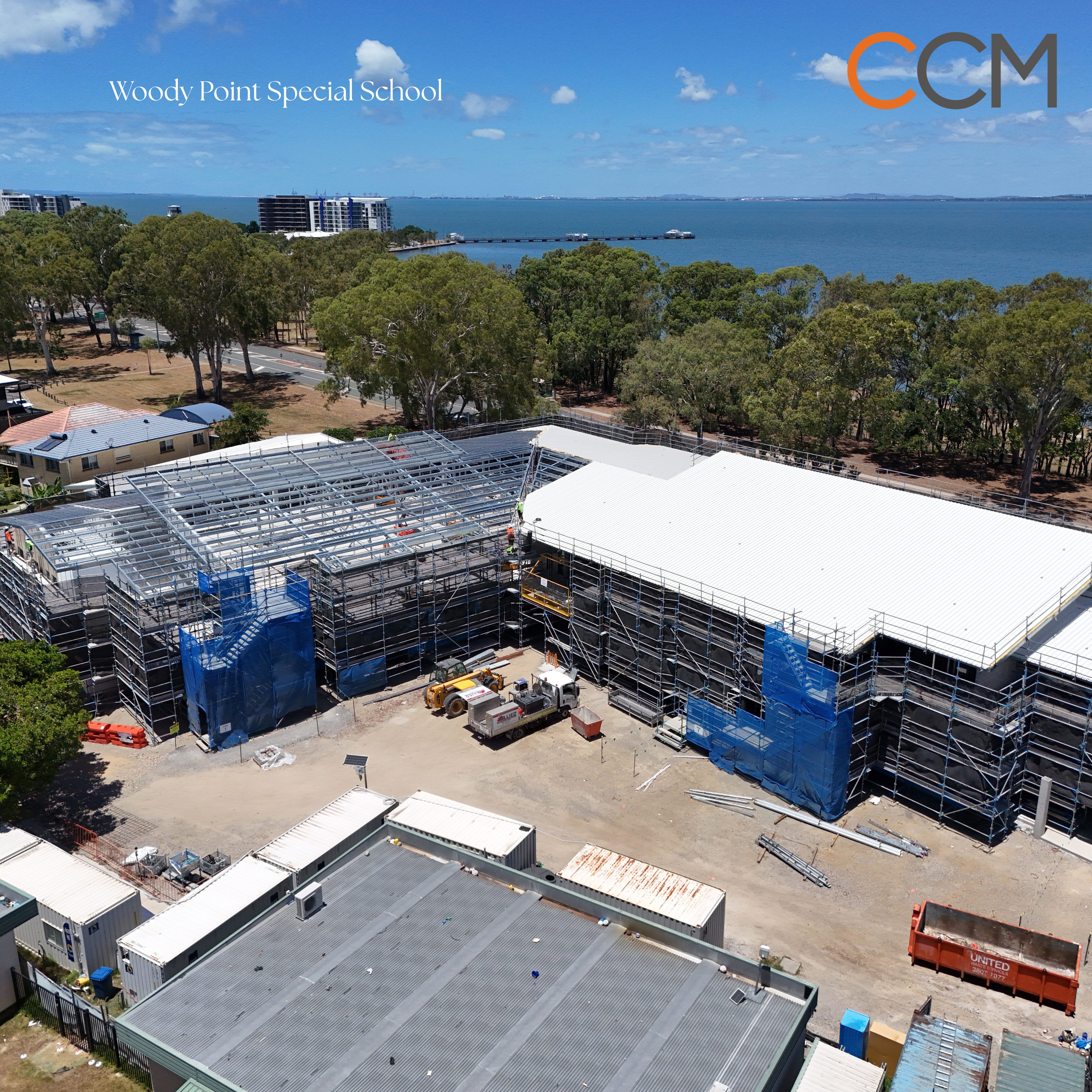
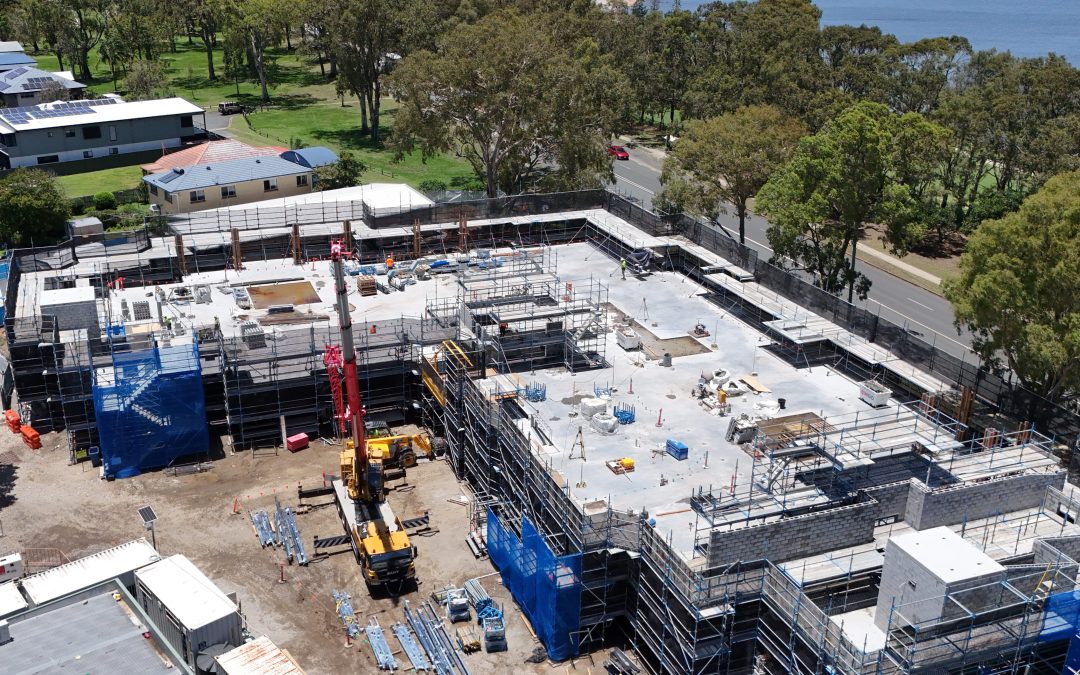
Collaborative Cost Management are pleased to share an update on the ongoing development of Woody Point Special School from Lucas Hadebe.
Since the commencement of Stage 1 in early 2022, our team has proudly provided quantity surveying services across multiple stages of this significant project.
Stage 1A involved the temporary relocation of the existing Centre of Network, refurbishment of existing General Learning Areas (GLAs), and the conversion of the outdoor court into a temporary administration block to support the school’s broader expansion. These works established the foundation for future growth, ensuring services, access, and site conditions were appropriately prepared to accommodate new facilities.
Stage 1B delivered a new GLA block comprising of a Resource Centre, administration, Student and Staff Amenities, 10 GLAs, a Gymnasium, a Sensory space, and carpark refurbishment works, significantly enhancing the school’s operational capacity and learning environment.
Over the past year, through Stage 2, we have supported the successful completion of site preparation, excavation, and base stage works. This progress positions the project strongly for the construction of a new GLA block incorporating 12 GLAs, three Specialty Spaces and associated areas, along with a new Groundsman and Cleaners Hub and an enhanced outdoor learning area. The project is now transitioning into the frame stage, followed by lock-up, as the built form continues to take shape.
This milestone reflects the strong collaboration, expertise, and commitment across our teams and project partners. We look forward to continuing our support through the upcoming phases and contributing to the successful delivery of these important facilities for the school community.